


















Our Learners work at







































Program Structure
Complete curriculum designed for embedded systems engineers
Program Duration
Total Training Hours
Comprehensive Modules
In-Depth Topics
Course Modules
Click on a module to explore the curriculum
Linux & Shell
Foundation in Linux CLI, scripting, and system administration
Kernel Internals
Deep dive into Linux kernel architecture and subsystems
Device Drivers
Production-ready driver development for embedded platforms
Yocto & BSP
Complete embedded Linux system build and deployment
Linux & Shell Scripting
Build strong Linux user-space, CLI, scripting, and debugging foundation
Core Skills
- Linux system architecture
- Command-line mastery
- Shell scripting & automation
- System administration
Key Topics Covered
Linux Architecture
File system, /proc, /sys, device files
Advanced Commands
Process management, disk usage
I/O Redirection
Pipes, redirection, chaining
Text Processing
grep, sed, awk, log parsing
Process Management
Jobs, signals, monitoring
File Permissions
chmod, ownership, SUID/SGID
System Calls
strace, ltrace, syscall analysis
Networking
ip, ss, tcpdump, DNS tools
SSH & Remote Access
Key-based auth, scp, rsync
systemd & Services
systemctl, journalctl, logging
Shell Scripting
Variables, loops, functions
Script Debugging
set -x, optimization techniques
Learners will gain strong proficiency in Linux user space, command-line tools, networking, and system services. They will be able to automate tasks using shell scripting, analyze system behavior, and debug user-space issues effectively.
Linux Kernel Internals
Understand how Linux works internally and prepare for driver and BSP development
Core Concepts
- Kernel architecture & boot process
- Kernel vs user space separation
- Source tree & build system
- Kernel configuration & compilation
Key Topics Covered
Boot Chain
ROM → U-Boot → Kernel → Init → Userspace
Kernel Modules
insmod, rmmod, modprobe, dependencies
Memory Management
Virtual memory, paging, allocators
Advanced Topics
Kernel Debugging
printk, dmesg, KGDB, ftrace, tracepoints, dynamic debug
Process & Threads
Kernel threads, scheduler (CFS, RT), context switching
Interrupts & Sync
Interrupt context, top/bottom half, spinlocks, mutex, RCU
File Systems
VFS architecture, inodes, dentries, file operations
Character Drivers Intro
Driver skeleton, registration, open/read/write basics
Learners will understand the internal architecture of the Linux kernel and the embedded Linux boot process. They will be able to configure, build, and debug the Linux kernel while analyzing memory, scheduling, and interrupt behavior.
Linux Device Driver Development
Build real-world, production-ready Linux device drivers for embedded platforms
Driver Fundamentals
Character Device Drivers
Major/minor numbers, file_operations, ioctl, poll
Platform Drivers
Device Tree integration, DT bindings
Interrupt Handling
IRQ registration, threaded IRQs, tasklets
Memory Management
kmalloc, DMA mapping, cache coherency
Synchronization
Mutex, spinlock, atomic ops, wait queues
Hardware Integration
Linux Device Model
kobject, sysfs, udev, device nodes
GPIO & Pinctrl
GPIO framework, descriptors, board integration
Bus Drivers
I2C, SPI drivers, regmap framework
Power Management
Suspend/resume, runtime PM, clock/regulator
Driver Debugging
debugfs, ftrace, checkpatch, best practices
Learners will design, implement, and debug Linux device drivers using platform drivers, Device Tree, and kernel frameworks. They will confidently interface hardware with Linux using GPIO, interrupts, I2C/SPI, and apply best practices for driver stability and performance.
Yocto Project & ARM Build System
Build, customize, deploy, and maintain complete embedded Linux systems
Yocto Fundamentals
- BitBake build engine
- Metadata & layers structure
- Recipe anatomy (.bb/.bbappend)
- Image types & root filesystem
Build Tasks:
fetch → compile → install → package
Key Variables:
IMAGE_INSTALL, RDEPENDS, PACKAGECONFIG
Advanced Topics
Working with Layers
BSP layers, custom layers, priorities
Recipe Development
Application recipes, patch management, devtool
Customization
Init systems, systemd integration, services
Kernel Integration
Kernel config, PREEMPT_RT, Device Tree
BSP Development
Board bring-up, hardware abstraction
Package Management
RPM/DEB/IPK, SDK generation, toolchains
Optimization
Build logs, runtime debug, memory tuning
Compliance
License manifests, SPDX, CVE checking
CI/CD
Reproducible builds, sstate cache, automation
Learners will build complete, production-ready embedded Linux systems using the Yocto Project. They will customize kernels, root filesystems, and BSPs, integrate real-time Linux, and prepare systems for deployment, compliance, and CI/CD workflows.
Complete Technology Stack
Development
- • GCC / Cross-compilers
- • GDB / KGDB
- • Git version control
- • Make / CMake
- • strace / ltrace
Kernel Tools
- • Kconfig / menuconfig
- • Device Tree Compiler
- • perf / ftrace
- • Dynamic debug
- • Kernel modules
Driver Dev
- • I2C / SPI frameworks
- • GPIO subsystem
- • debugfs / sysfs
- • udev / device nodes
- • checkpatch.pl
Build Systems
- • Yocto Project / Poky
- • BitBake
- • Buildroot
- • U-Boot
- • QEMU
Networking
- • ip / ss commands
- • tcpdump / Wireshark
- • SSH / SCP / rsync
- • netcat / netstat
- • DNS tools
System Admin
- • systemd / systemctl
- • journalctl logging
- • ps / top / htop
- • cron / timers
- • Package managers
Scripting
- • Bash scripting
- • Python automation
- • grep / sed / awk
- • Text processing
- • Log analysis
Debug & Test
- • dmesg / printk
- • Kernel oops analysis
- • Memory leak detection
- • Performance profiling
- • Static analysis tools
Key Competencies Gained
Foundation
- Linux system administration
- Shell scripting & automation
- Network configuration
- Process & memory management
- System debugging skills
Kernel & Drivers
- Kernel architecture understanding
- Device driver development
- Device Tree integration
- Hardware abstraction layers
- Kernel debugging techniques
Production
- Complete system builds (Yocto)
- BSP creation & customization
- Image deployment & flashing
- License compliance handling
- CI/CD pipeline integration
Hardware Platforms Used
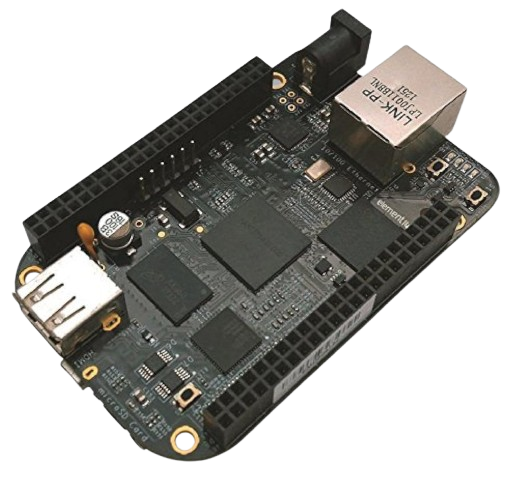
BeagleBone Black
Primary reference hardware for Embedded Linux learning including U-Boot, Device Tree, kernel internals, device drivers, GPIO/I2C/SPI, Yocto BSP creation, and PREEMPT_RT experiments.
- TI AM335x ARM Cortex-A8
- Mainline Linux & Yocto support
- Full Device Tree visibility
- GPIO, I2C, SPI & UART
- Real-time Linux support
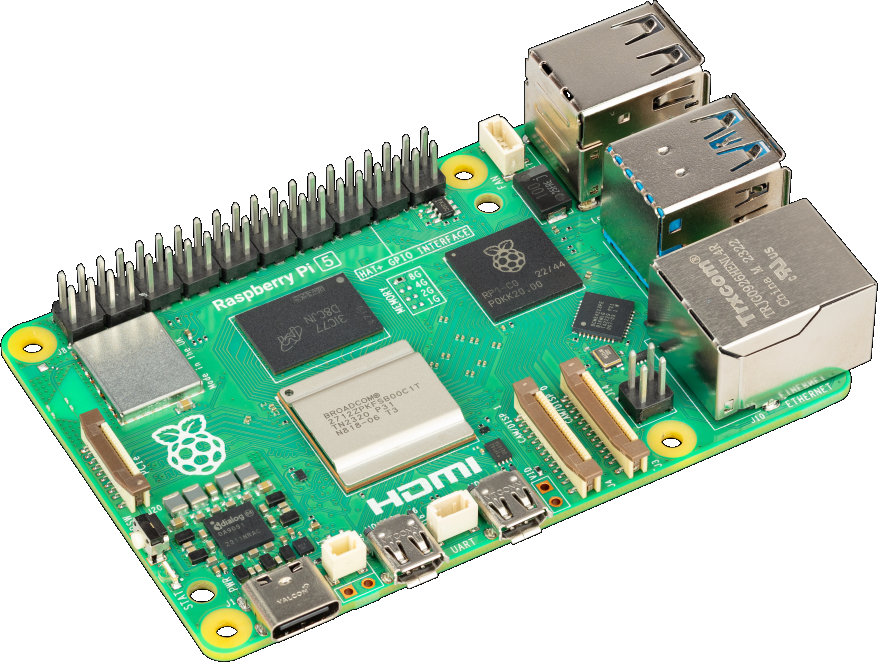
Raspberry Pi 5
Used as a supplementary platform for Linux system exploration, user-space development, services, and networking.
- High-performance multicore CPU
- Rich Linux ecosystem
- Application-level Linux exposure
- Strong community support
- Supplementary learning platform